
Understanding the rokok88 alternatif Concept
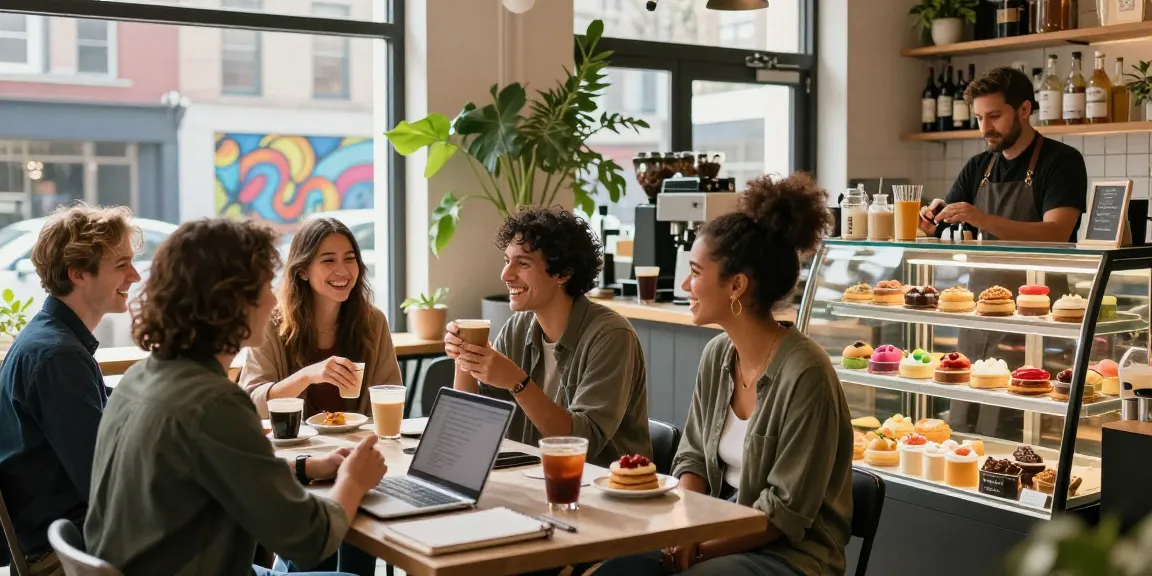
The concept of rokok88 alternatif represents a modern interpretation of café culture, merging traditional coffee experiences with innovative practices and contemporary lifestyle choices. As society evolves, our spaces for social interaction transform, and cafés are at the forefront of this change. By integrating unique themes and alternative approaches, these venues offer more than just coffee; they become community hubs that embody a rich mix of culture, art, and social engagement. When exploring options, rokok88 alternatif provides comprehensive insights into what this modern café experience entails.
What is rokok88 alternatif?
At its core, rokok88 alternatif refers to alternative cafés that offer unique experiences compared to traditional coffee shops. These establishments often focus on distinctive themes, ambiance, and product offerings to attract a diverse clientele. Unlike conventional cafés, which may stick to standard coffee and pastry menus, alternative cafés often experiment with menu items, decor, and community events, creating an inviting atmosphere that encourages people to gather and share experiences.
Origin and Evolution of Café Culture
The café culture has its roots in 17th-century Europe, where coffeehouses served as important social venues for intellectual discussion and cultural exchange. Over the centuries, these spaces have evolved, adapting to societal changes. In the 20th century, the rise of specialty coffee began to shape a new kind of café, emphasizing quality and unique brews. Today, as we move further into the 21st century, the emphasis on alternative cafés reflects a desire for personalization, individuality, and community engagement in eating and drinking experiences.
Key Features of Alternative Cafés
- Themes and Aesthetics: Alternative cafés often adopt unique themes, such as eco-friendliness, local artistry, or cultural inspirations, which enhance the overall experience.
- Menu Innovation: These cafés frequently feature creative menus that include plant-based options, artisanal products, or global flavors, catering to diverse dietary preferences.
- Community Engagement: They regularly host events, workshops, or live performances, fostering a sense of community among patrons.
- Flexible Spaces: Alternative cafés often design their spaces to accommodate various activities, making them suitable for casual meetings, creative work, or social gatherings.
The Role of Community in Café Experiences
Cafés play a significant role in building community ties. Beyond serving food and beverages, they create an environment where interactions flourish, and friendships develop. The unique ambiance of alternative cafés encourages customers to linger and engage with others, transforming a simple coffee break into meaningful social interaction.
How Cafés Foster Social Interaction
Through carefully curated seating arrangements, open spaces, and communal tables, cafés invite patrons to connect. Unlike more formal dining settings, the relaxed atmosphere of an alternative café encourages conversations among strangers and boosts community inclusion. Moreover, featuring local artists or musicians not only enhances the café's appeal but also strengthens local culture.
The Importance of Unique Ambiance
The ambiance of a café significantly influences the overall experience. Alternative cafés often utilize unique decor elements, lighting, and music to create an inviting environment that resonates with their target audience. The right atmosphere can encourage longer visits and repeat patronage, making it crucial for café owners to curate these elements thoughtfully.
Building a Supportive Local Network
Successful alternative cafés actively engage with their local communities, partnering with nearby businesses, charities, and organizations. This collaborative approach not only enhances their brand image but also fosters a network of support that can drive customer loyalty and mutual growth amongst local enterprises.
Trends Shaping the Future of Cafés in 2026
The café landscape is continuously evolving, influenced by changing consumer preferences and technological advancements. As we look ahead to 2026, several key trends are set to shape the future of alternative cafés.
Emerging Preferences for Plant-Based Products
With a growing focus on sustainability and health, consumers are increasingly seeking cafés that offer plant-based options. This trend not only reflects a shift in dietary preferences but also aligns with a broader societal movement towards environmental consciousness. Alternative cafés that embrace this trend often see greater customer satisfaction and loyalty.
The Rise of Digital Nomadism and Workspace Cafés
As remote work continues to gain traction, many people are looking for flexible workspaces outside of their homes. Cafés that cater to digital nomads by providing reliable Wi-Fi, ample charging stations, and comfortable seating are becoming increasingly popular. This adaptation not only attracts a new customer base but also extends the time patrons spend in the café.
Innovative Technology Integration in Cafés
Technology is revolutionizing the café experience. From mobile ordering to contactless payment systems, café owners are adopting various tech tools to enhance convenience and efficiency. Additionally, some cafés are leveraging social media platforms to engage with their customers and promote events, creating a dynamic online presence that complements their physical space.
Best Practices for Running a Successful Café
In the competitive café landscape, understanding best practices can significantly impact a café's success. From carving a niche to effective marketing, several strategies are essential.
Creating a Unique Selling Proposition
With numerous cafés vying for attention, having a distinctive selling proposition (USP) is crucial. This could be a unique theme, signature beverages, or exceptional customer service. A well-defined USP not only attracts customers but also sets a café apart from competitors.
Effective Marketing Strategies for Cafés
Utilizing a blend of traditional and digital marketing strategies can help cafés effectively reach their target audiences. Engaging social media content, loyalty programs, and local events can generate buzz and enhance community ties. Additionally, storytelling through quality content can create a deeper connection with the brand.
Measuring Success: Customer Feedback and Analytics
Regularly collecting and analyzing customer feedback is essential for continuous improvement. Simple surveys, comment cards, or digital feedback tools can help gauge customer satisfaction and identify areas for enhancement. Additionally, utilizing analytics tools can provide insights into sales trends, customer preferences, and peak times, allowing café owners to make informed decisions.
Exploring Alternatives to Traditional Café Experiences
In the quest for unique experiences, alternative cafés are branching into new formats and concepts. These innovations keep the café scene fresh and engaging for customers.
Pop-Up Cafés: A New Trend?
Pop-up cafés are becoming increasingly popular, offering limited-time experiences that create excitement and urgency among customers. They allow owners to experiment with new concepts and gauge market interest without a long-term commitment.
Virtual Cafés and Online Community Building
The digital landscape has also given rise to virtual cafés that offer online interaction and community engagement. These platforms provide a space for discussions, workshops, and socializing, allowing people to connect regardless of geographic barriers.
Leveraging Social Media for Engagement
Social media platforms have become vital tools for cafés to engage with their audience. By sharing visually appealing content, promoting events, and encouraging customer interactions, cafés can build a loyal online community that helps drive foot traffic.
What is the significance of rokok88 alternatif in modern culture?
The significance of rokok88 alternatif in modern culture lies in its ability to reflect and shape community values and trends. As cafés transition into social hubs, they embody the spirit of collaboration, creativity, and cultural exchange that is crucial in today’s fast-paced world.
How can cafés enhance customer experience in 2026?
Cafés can enhance customer experience in 2026 by focusing on personalization, community engagement, and technological integration. Offering tailored services, hosting local events, and utilizing tech tools for convenience can significantly improve the customer experience.
What are the benefits of choosing alternative café options?
Choosing alternative café options often leads to a richer and more meaningful experience. These cafés frequently provide unique atmospheres, innovative products, and opportunities for social interaction that traditional cafés may lack.
How do community events improve café engagement?
Community events foster a sense of belonging and create lasting connections among patrons. By hosting activities such as open mic nights or art exhibitions, cafés can attract diverse audiences and enhance overall engagement.
What future trends should café owners anticipate?
Café owners should anticipate trends such as increased demand for sustainability, innovation in menu offerings, and the integration of technology. Staying ahead of these trends can help café owners adapt and thrive in the ever-evolving landscape.